
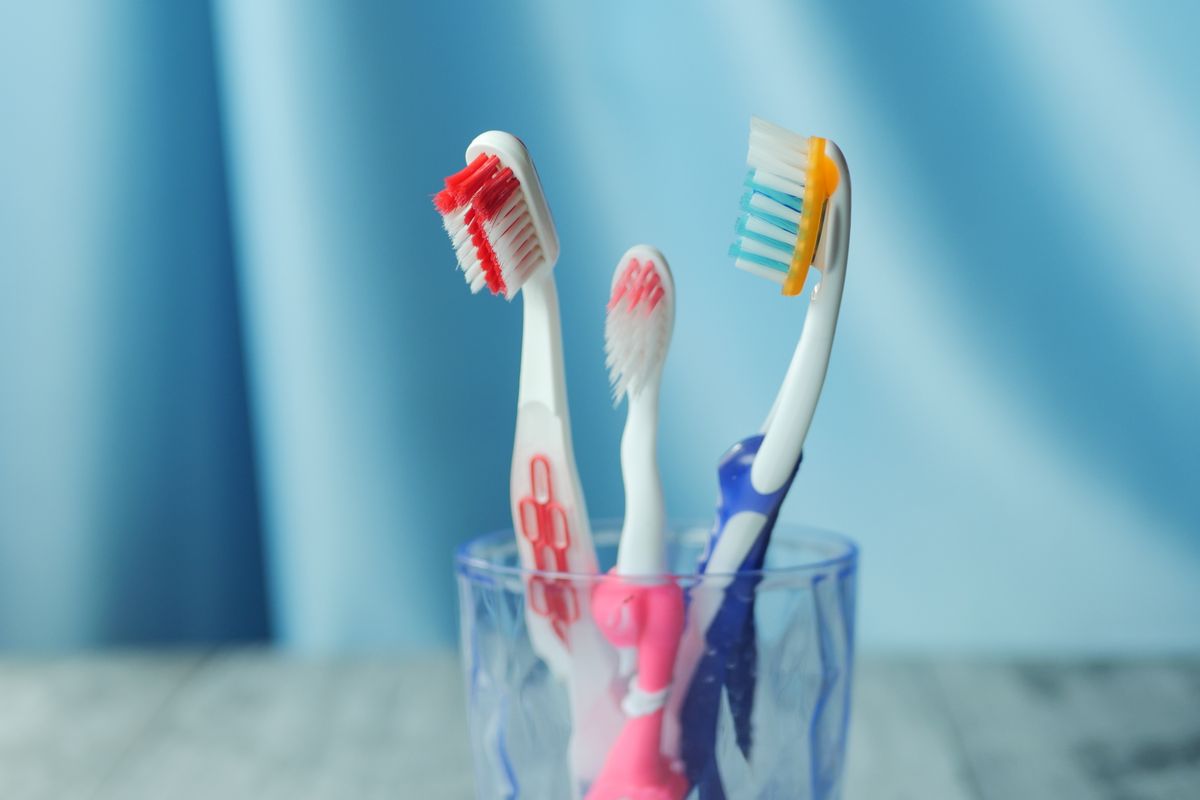
The toothbrush aisle is overwhelming — dozens of heads, bristles, and price tags. The truth is simpler: the best toothbrush is the one you’ll use properly twice a day. Here’s how to narrow it down.
Soft bristles win for almost everyone
Medium and hard bristles don’t clean better — they wear enamel and push gums back. Choose “soft” unless your dentist specifically advises otherwise, and replace the head every three months.
Small head, big difference
A compact head reaches molars and the backs of front teeth without forcing your jaw open. If you gag easily or have a small mouth, this matters more than any other feature.
Electric vs. manual
Electric brushes with pressure sensors genuinely help heavy-handed brushers and anyone with limited dexterity. A manual brush with good technique cleans just as well — technique beats technology.
- Bleeding gums? Go softer, not harder — then see us if it persists.
- Braces or aligners? Add interdental brushes to the routine.
- Sensitive teeth? Pair a soft brush with sensitivity toothpaste for two weeks.
When to ask us
If your gums bleed after two weeks of gentle brushing, or sensitivity doesn’t settle, it isn’t the brush — come in and let us take a look before a small issue grows.